
 简体中文
简体中文
 ภาษาไทย
Peanut Butter
Ingredient Profile & Cooking Guide
🛒 Buy this ingredient online

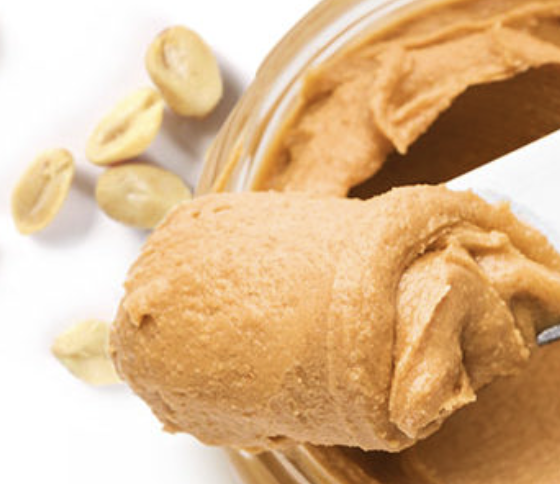
💡 A food paste made from ground, dry-roasted peanuts. The natural oils within the peanuts turn the mixture into a creamy spread.
Main Ingredients: Roasted peanuts (should be 90-100%), salt, and sometimes added sugar or vegetable oils for consistency.
Common Varieties:
Creamy / Smooth: Finely ground for a velvety texture.
Chunky / Crunchy: Contains fragments of coarsely ground peanuts for extra bite.
Natural: Made only with peanuts and salt; usually features oil separation on top (requires stirring).
2. 🛒 Tips for Selection
Read the Label: Look for high peanut content. Avoid brands with "Hydrogenated oils" (trans fats) or high amounts of added sugar.
Oil Separation: In natural varieties, a layer of oil on top is a sign of purity and lack of emulsifiers—not spoilage.
Usage Preference: Smooth is best for baking and sauces, while crunchy adds great texture to toasts.
3. 🔪 How to Use
Healthy Snacks: Spread on whole-grain toast with bananas, add to protein smoothies, or use as a dip for apple slices.
Savory Dishes: The base for Satay sauce or Asian-style peanut dressings for noodles and salads.
Baking: Essential for peanut butter cookies, muffins, or energy balls.
Pro Tip: If your peanut butter is too stiff from the fridge, microwave a small portion for 10 seconds to make it spreadable again.
4.
💡 Additional Information
Storage: Commercial brands can stay in the pantry. However, natural peanut butter should be refrigerated to prevent the oils from going rancid and to keep the texture firmer.
Nutrition Fact: Rich in plant-based protein, healthy monounsaturated fats, and Vitamin E. It is calorie-dense, so moderation (1-2 tablespoons) is key.
Allergy Warning: Peanut allergies can be life-threatening; always check with guests before serving.
Common Varieties:
Creamy / Smooth: Finely ground for a velvety texture.
Chunky / Crunchy: Contains fragments of coarsely ground peanuts for extra bite.
Natural: Made only with peanuts and salt; usually features oil separation on top (requires stirring).
2. 🛒 Tips for Selection
Read the Label: Look for high peanut content. Avoid brands with "Hydrogenated oils" (trans fats) or high amounts of added sugar.
Oil Separation: In natural varieties, a layer of oil on top is a sign of purity and lack of emulsifiers—not spoilage.
Usage Preference: Smooth is best for baking and sauces, while crunchy adds great texture to toasts.
3. 🔪 How to Use
Healthy Snacks: Spread on whole-grain toast with bananas, add to protein smoothies, or use as a dip for apple slices.
Savory Dishes: The base for Satay sauce or Asian-style peanut dressings for noodles and salads.
Baking: Essential for peanut butter cookies, muffins, or energy balls.
Pro Tip: If your peanut butter is too stiff from the fridge, microwave a small portion for 10 seconds to make it spreadable again.
4.
💡 Additional Information
Storage: Commercial brands can stay in the pantry. However, natural peanut butter should be refrigerated to prevent the oils from going rancid and to keep the texture firmer.
Nutrition Fact: Rich in plant-based protein, healthy monounsaturated fats, and Vitamin E. It is calorie-dense, so moderation (1-2 tablespoons) is key.
Allergy Warning: Peanut allergies can be life-threatening; always check with guests before serving.