

 简体中文
简体中文
 ภาษาไทย
Ikura
Ingredient Profile & Cooking Guide
🛒 Buy this ingredient online

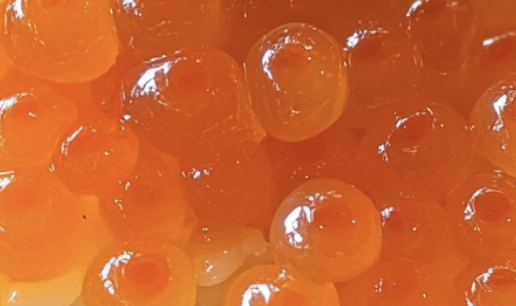
💡 Ikura refers to salmon eggs that have been removed from the internal sac and cured. It is famous for its distinct "pop" when bitten, releasing a rich, briny liquid.
1. Etymology: The word comes from the Russian Ikra (meaning fish eggs). In Japan, it specifically refers to individual salmon roe grains.
Common Varieties:
Shoyu Ikura: Marinated in soy sauce, mirin, and sake. It has a savory-sweet, balanced flavor (the most common type).
Shio Ikura: Salt-cured. It has a purer, cleaner taste and a brighter, more translucent appearance.
Sujiko: Salmon eggs still contained within the ovarian sac (skein). It is usually saltier and deeper in flavor.
2. 🛒 Tips for Selection
Appearance: The roe should be translucent and glossy, not cloudy. Each grain should be plump and round, not deflated or crushed.
Color: Look for a consistent vibrant orange to reddish-orange hue. Pale colors often indicate lower quality or improper storage.
Consistency: There should be minimal excess liquid in the container. The grains should be separate and distinct.
Smell: It should have a fresh, briny sea scent. Any strong "fishy" or ammonia smell is a sign of spoilage.
3. 🔪 How to Use
Preparation: Ikura is typically sold ready-to-eat. If frozen, thaw it slowly in the refrigerator overnight to maintain the integrity of the egg membrane.
Culinary Roles:
Japanese Cuisine: Topping for Sushi (Gunkan Maki), Chirashi Don (Sashimi over rice), or paired with Sea Urchin (Uni).
Fusion Dishes: Used as a garnish for creamy pastas or as a luxury topping for appetizers like blinis or deviled eggs.
Pro Tip: Never cook Ikura. Heat will toughen the outer membrane and ruin the delicate "popping" experience.
4.
💡 Additional Information
Storage: Keep in the coldest part of the fridge (0-4°C) and consume within 2-3 days of opening. Frozen Ikura lasts for months but may lose some texture upon thawing.
Nutrition Fact: High in Omega-3 fatty acids, Protein, and Vitamin D. However, it is also high in cholesterol and sodium.
Imitation Alert: "Synthetic Ikura" made from gelatin and vegetable oil exists. To test, place it in hot water: real Ikura turns cloudy white due to its protein content, while imitation roe stays clear or melts.