
 简体中文
简体中文
 ภาษาไทย
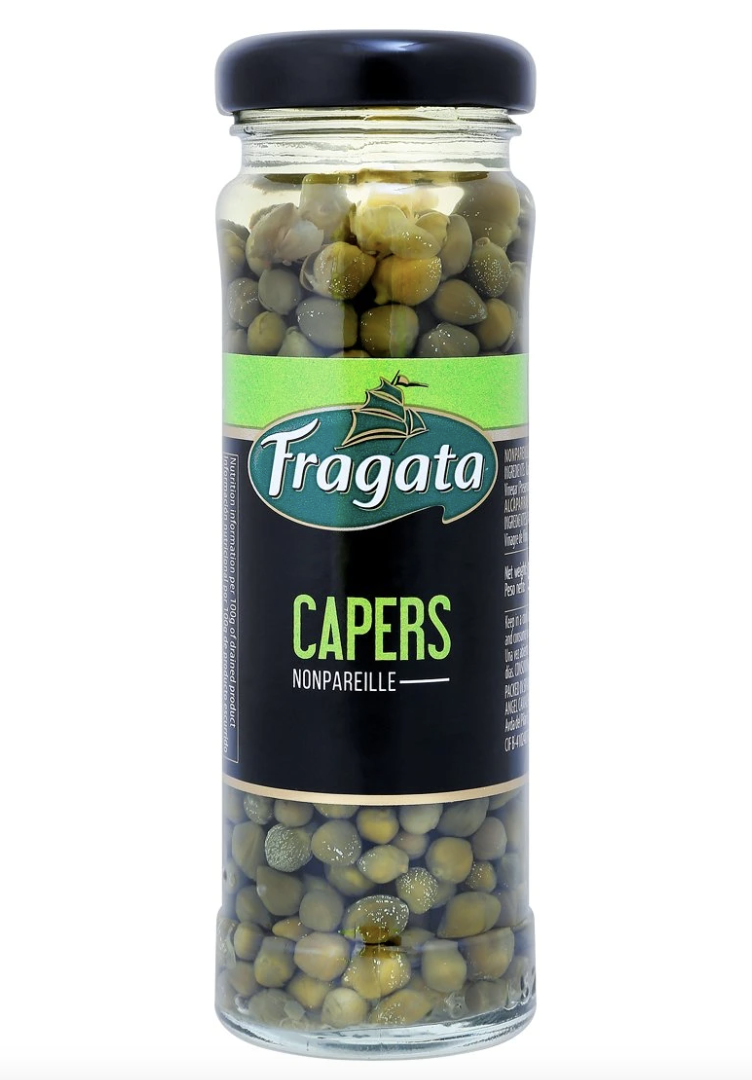
Capers
Ingredient Profile & Cooking Guide
🛒 Buy this ingredient online

💡 Capers are the unripened flower buds of the Mediterranean shrub Capparis spinosa. They are not berries or olives, despite their appearance.
1. Main Compound:
Raw buds are extremely bitter, so they are cured in brine or packed in sea salt to develop their signature tangy, salty, and floral flavor.
Key Characteristics:
Flavor: Sharp, piquant, salty, and acidic with a slight mustard-like pungency.
Sizes: Range from the tiny "Non-pareil" (highly prized for their delicate texture) to larger sizes.
Caper Berries: If the bud is allowed to bloom and fruit, it becomes a "Caper Berry," which is larger, includes the stem, and contains tiny crunchy seeds.
2. 🛒 Tips for Selection
Brine vs. Salt:
In Brine: Most common and convenient; has a strong vinegary punch.
In Salt: Preferred by many chefs for a purer, more floral caper flavor. Requires rinsing before use.
Appearance: Look for firm, olive-green buds. The brine should be clear, not cloudy.
Size Choice: Small capers (Non-pareil) are best for garnishing, while larger ones are more economical if you plan to chop them for sauces.
3. 🔪 How to Use
Preparation: Always rinse capers to remove excess salt. If salt-packed, soak them in cold water for 5-10 minutes before using.
Culinary Roles: Perfect for "cutting through" richness in fatty or salty dishes.
Classics: Essential for Tartar Sauce, Chicken Piccata, Pasta Puttanesca, and Beef Carpaccio.
Garnish: A staple topping for smoked salmon and bagels, or tossed into a Mediterranean salad.
Cooking Tip: Add capers toward the end of cooking. Prolonged heat can diminish their unique flavor and make them bitter.
4.
💡 Additional Information
Storage: Once opened, keep them refrigerated and ensure they stay submerged in their brine. They can last for up to a year.
Nutrition Fact: Very low in calories and a surprising source of antioxidants (Quercetin), though they are notably high in sodium.
Substitution: If you're out of capers, finely chopped green olives or cornichons (pickles) can provide a similar briny acidity to your dish.