
 简体中文
简体中文
 ภาษาไทย
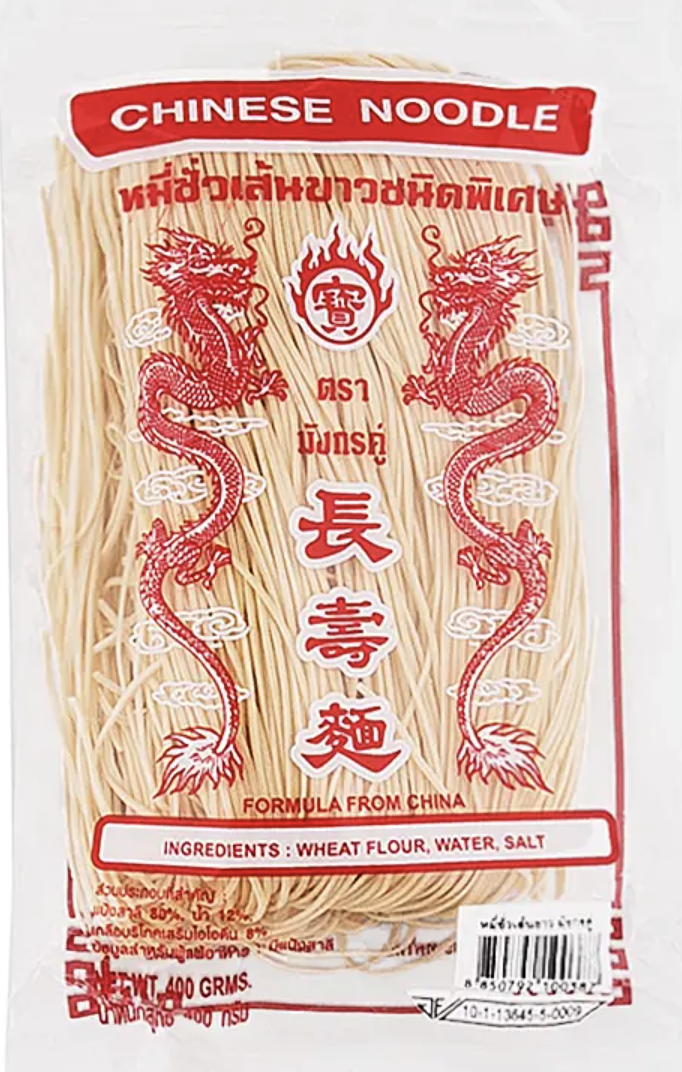
Mee Sua (Wheat Vermicelli)
Ingredient Profile & Cooking Guide
🛒 Buy this ingredient online
(Links not available)
💡 A very thin variety of salted Chinese noodles made from wheat flour. Known as "Long Life Noodles," they are a symbol of longevity and are essential for auspicious occasions and vegetarian festivals.
1. Main Ingredients:
Wheat flour, water, and a high amount of salt. The salt is crucial for stretching the dough into incredibly long, thin strands and acts as a preservative.
Processing: Traditionally hand-pulled and stretched repeatedly until fine, then sun-dried until completely brittle.
Key Characteristics: Soft yet slightly elastic texture. They have a distinct, naturally savory (salty) flavor inherited from the production process.
2. 🛒 Tips for Selection
Appearance: Look for noodles that are bone-dry and uniform in color (cream or pale yellow). Avoid packs with many broken pieces or a musty, oily smell.
Length: High-quality Mee Sua should consist of long, continuous strands. Long strands are highly valued for their symbolic meaning of long life.
Saltiness: Be aware that salt levels vary by brand. Look for "low sodium" versions if you prefer more control over your dish's final seasoning.
3. 🔪 How to Use
Preparation (Crucial): Because they are preserved with salt, always blanch them in boiling water first, then immediately rinse under cold running water to remove excess salt and surface starch before cooking.
Culinary Roles:
Stir-fry: The most famous dish is "Phad Mee Sua," stir-fried with mushrooms, vegetables, and protein.
Soups: Used in clear chicken or pork broths, common in Southern Thailand and Fujianese cuisine.
Cooking Tip: When stir-frying, use chopsticks or tongs instead of a spatula to toss the noodles. This prevents the long strands from breaking, maintaining their symbolic value.
4.
💡 Additional Information
Storage: Store in a cool, dry pantry in an airtight container. They have a long shelf life of several months if kept away from moisture.
Seasoning Caution: Since the noodles retain some saltiness even after rinsing, always taste before adding soy sauce or salt to your dish.
Cultural Belief: During birthday celebrations or Chinese New Year, it is customary not to cut the noodles while cooking or eating, as it symbolizes cutting life short.