

 简体中文
简体中文
 ภาษาไทย
Sweeten Condensed Milk
Ingredient Profile & Cooking Guide
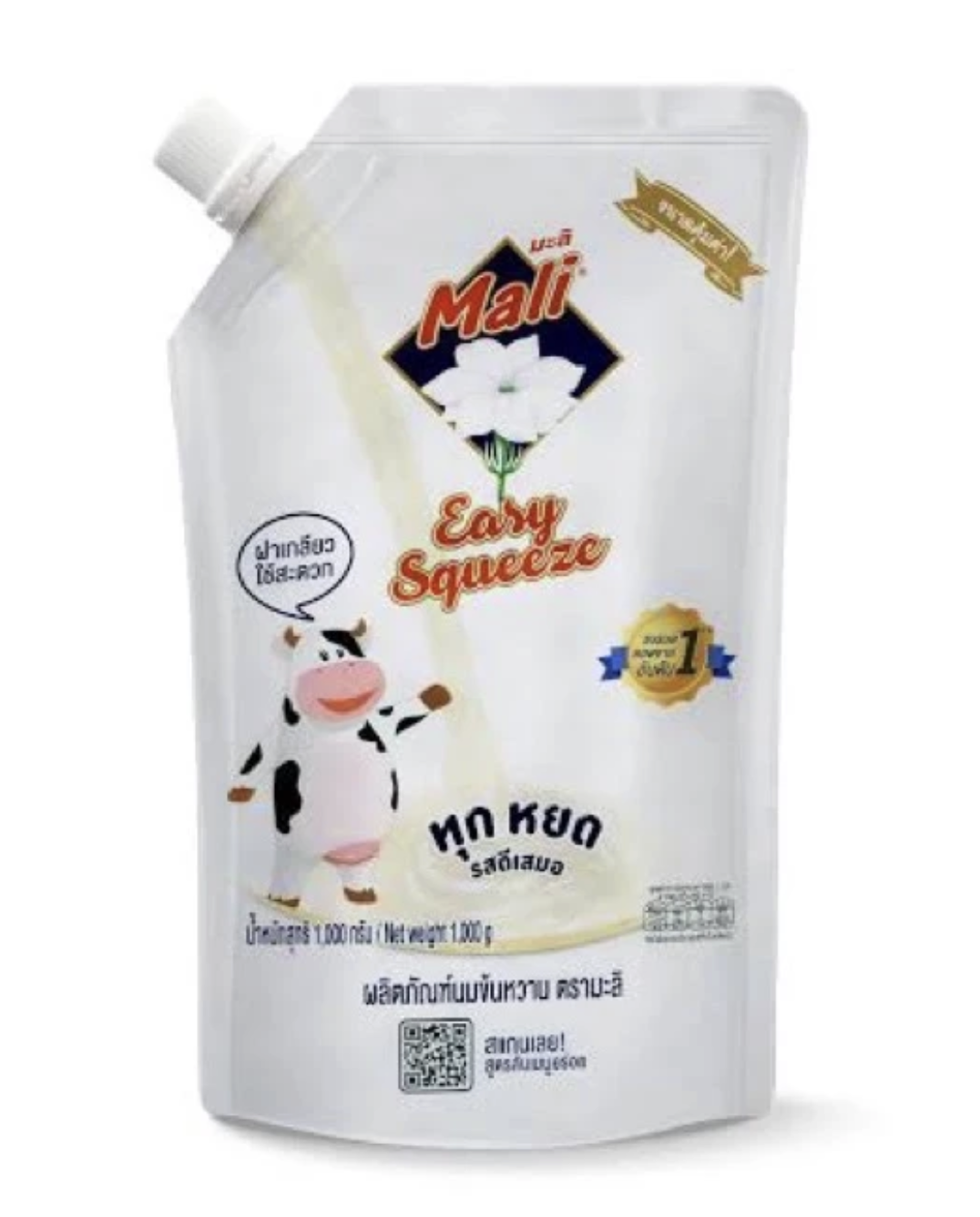


💡 Sweetened condensed milk is a staple pantry item achieved by removing most of the water from cow's milk and adding a significant amount of sugar (roughly 45%). This results in a thick, syrupy, and incredibly rich ingredient beloved worldwide.
1. Characteristics and Flavor Profile
Intense Sweetness & Richness: It delivers a powerful combination of dairy fat and sugar, providing a velvety mouthfeel and a deep, milky sweetness.
Viscosity: Its thick consistency helps add "body" to liquids and creates a glossy appearance in sauces and glazes.
Preservation: The high sugar concentration acts as a natural preservative, inhibiting bacterial growth and allowing for a long shelf life.
2. Culinary Applications
The Soul of Asian Beverages: It is the essential ingredient in Thai Iced Tea, Traditional Coffee (Kope), and Vietnamese Coffee. It provides a creamy texture that granulated sugar simply cannot replicate.
Dessert Toppings & Fillings: Commonly drizzled over Roti, toast, or shaved ice (Bingsu/Kakigori). It is also a key component in fudge, certain types of ice cream, and key lime pie fillings.
Instant Caramel: By simmering a closed can in boiling water for several hours, the sugars undergo a Maillard reaction, transforming the milk into Dulce de Leche—a thick, spreadable caramel.
3. Essential Culinary Tips
Solubility: It dissolves most efficiently in hot liquids. When making cold drinks, whisk it into a small amount of hot base first to ensure a smooth, grit-free beverage.
Structural Role in Baking: Beyond sweetness, it adds moisture and tenderness to baked goods. It is often used in recipes where a dense yet soft crumb is desired.
Heat Management: Due to its high sugar content, it scorches very easily. When heating it on a stovetop (for sauces or custards), use low heat and stir constantly to prevent burning at the bottom of the pan.