
 简体中文
简体中文
 ภาษาไทย
Whipping Cream
Ingredient Profile & Cooking Guide
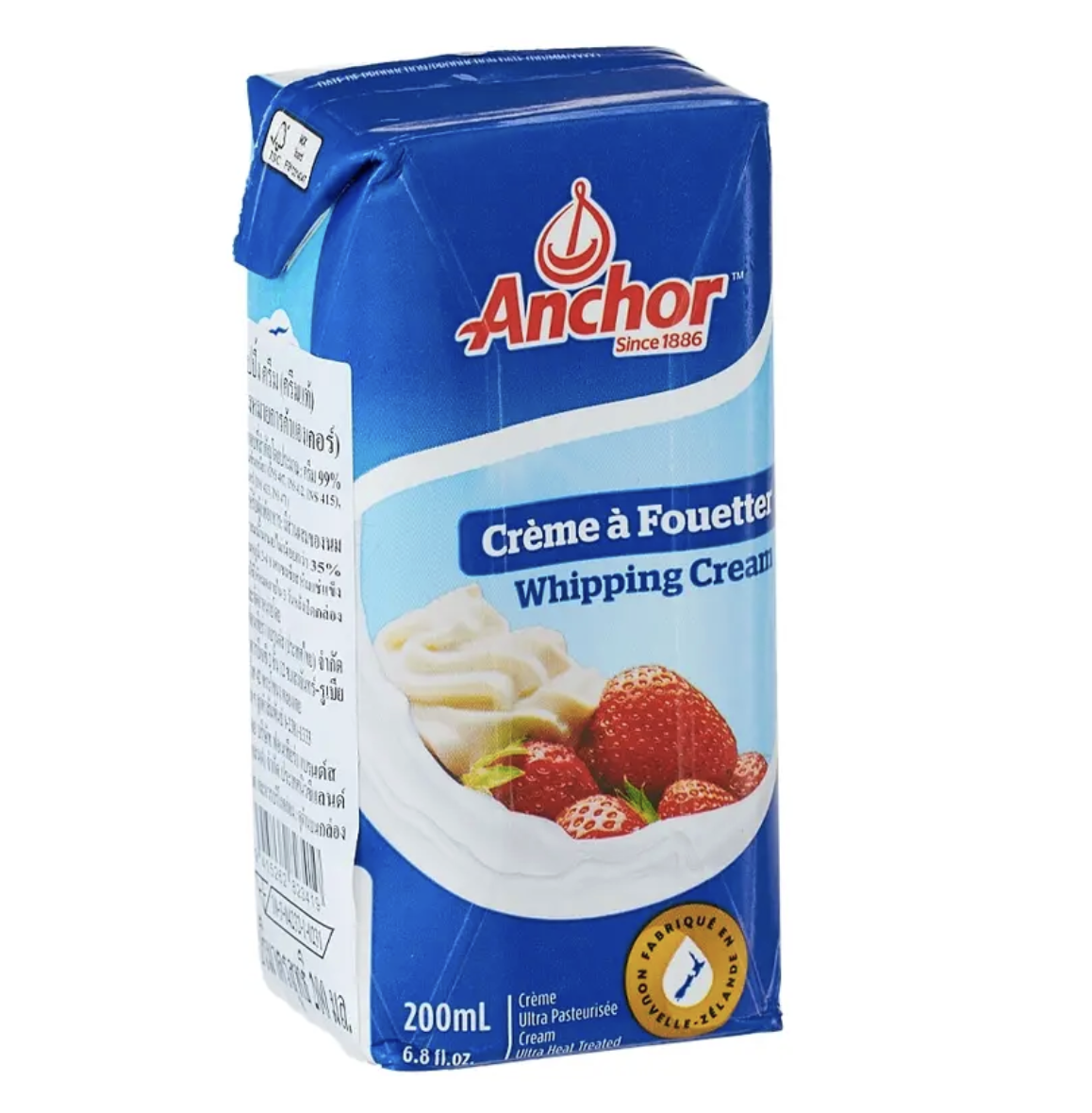


💡 Whipping cream is a versatile high-fat dairy product (typically 30–35% milk fat) that is indispensable in the world of pastry and gourmet cooking. Its unique ability to trap air when agitated creates the luxurious foam we know as "Whipped Cream."
1. Characteristics and Texture Profile
Light and Luxurious: Once whipped, it transforms from a liquid into a fluffy, voluminous foam that melts instantly on the tongue.
Types of Whipping Cream:
Dairy Cream: Made from cow's milk. It offers superior flavor and a clean mouthfeel but is more sensitive to heat and over-whipping.
Non-Dairy Cream: Often vegetable-oil based. It provides excellent stability and volume, making it the preferred choice for complex cake decorations in warmer climates.
Emulsification: In its liquid form, it adds a silken body and a glossy sheen to hot sauces and soups.
2. Culinary Applications
Aesthetic Toppings: Used to garnish cakes, pies, hot chocolates, and Irish coffees, adding visual height and creamy contrast.
Aery Foundations: Essential for creating the structure in mousses, bavarois, and light-as-air no-bake cheesecakes.
Savory Enrichment: A staple for enriching creamy pasta sauces (like Alfredo), velvety soups (Cream of Mushroom), and savory gratins.
3. Essential Culinary Tips
Stay Chilled: For successful aeration, the cream, bowl, and whisk must be ice-cold. If the cream is too warm, the fat globules won't be able to form a stable structure to hold the air.
The "Butter" Danger Zone: Over-whipping dairy cream causes the fat to separate from the liquid, eventually turning it into butter. Stop immediately once you reach "stiff peaks."
Stabilization: If you need whipped cream to hold its shape for a long time, you can add "stabilizers" like gelatin or a small amount of mascarpone cheese during the whipping process.