

 简体中文
简体中文
 ภาษาไทย
Coriandar seed
Ingredient Profile & Cooking Guide
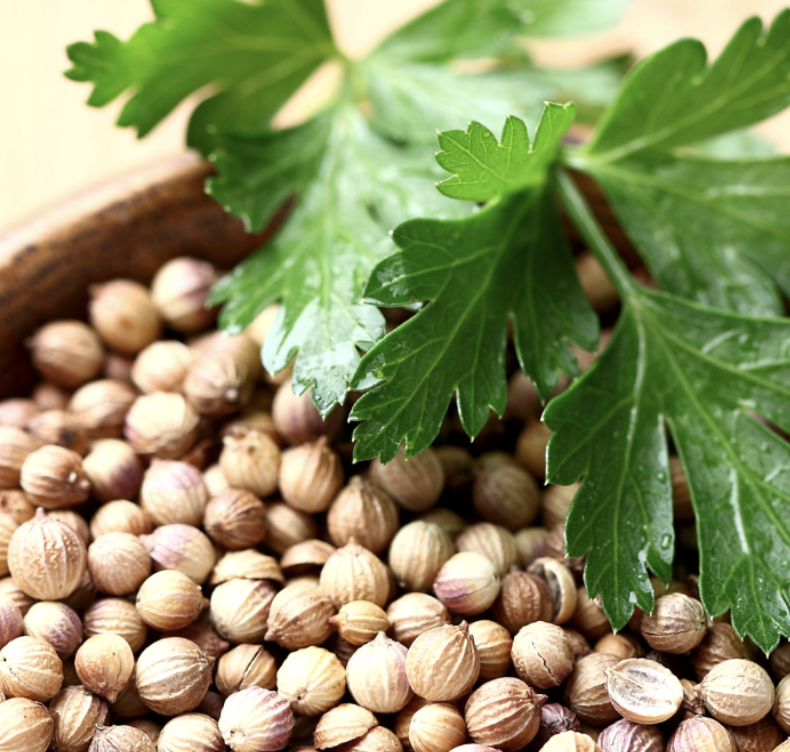


💡 Coriander seeds are the dried fruits of the coriander plant. While they come from the same plant as the fresh herb (cilantro), their flavor profile is entirely different, leaning towards warm, nutty, and citrusy notes.
1. Characteristics and Flavor Profile
Citrusy and Aromatic: The primary appeal of coriander seeds is their bright, lemon-like scent combined with a mild woody and floral undertone.
Mellow Flavor: They offer a subtle sweetness and a faint peppery bite, making them a "bridge" spice that harmonizes other stronger ingredients.
Texture and Body: When toasted and ground, they act as a gentle thickener for sauces and provide an earthy texture to spice rubs.
2. Culinary Applications
The Backbone of Curry Pastes: In Thai cuisine, coriander seeds are almost always paired with Cumin. They are essential for Green Curry, Panang, and Massaman pastes, providing the foundational "warmth" of the dish.
Meat Marinades: They are a signature ingredient in Thai-style Sun-dried Pork or Beef and crispy fried chicken, where the crushed seeds provide bursts of aroma.
Global Influence: A key component of Indian Garam Masala and curry powders. In European cooking, they are widely used in pickling brines, dry rubs for meats, and even in certain styles of wheat beer (Witbier).
3. Essential Culinary Tips
Dry Toasting for Maximum Aroma: To unlock their full potential, coriander seeds should be dry-toasted in a pan over medium heat until they become fragrant and turn a shade darker. This process activates the essential oils.
Grind to Order: For the best culinary results, buy whole seeds and grind them as needed. Pre-ground coriander loses its bright, citrusy top notes very quickly.
The Perfect Ratio: In spice blends, coriander is typically used in a larger ratio than cumin (often 2:1). This ensures the blend remains aromatic and bright rather than overly earthy or pungent.