

 简体中文
简体中文
 ภาษาไทย
Duck Eggs
Ingredient Profile & Cooking Guide
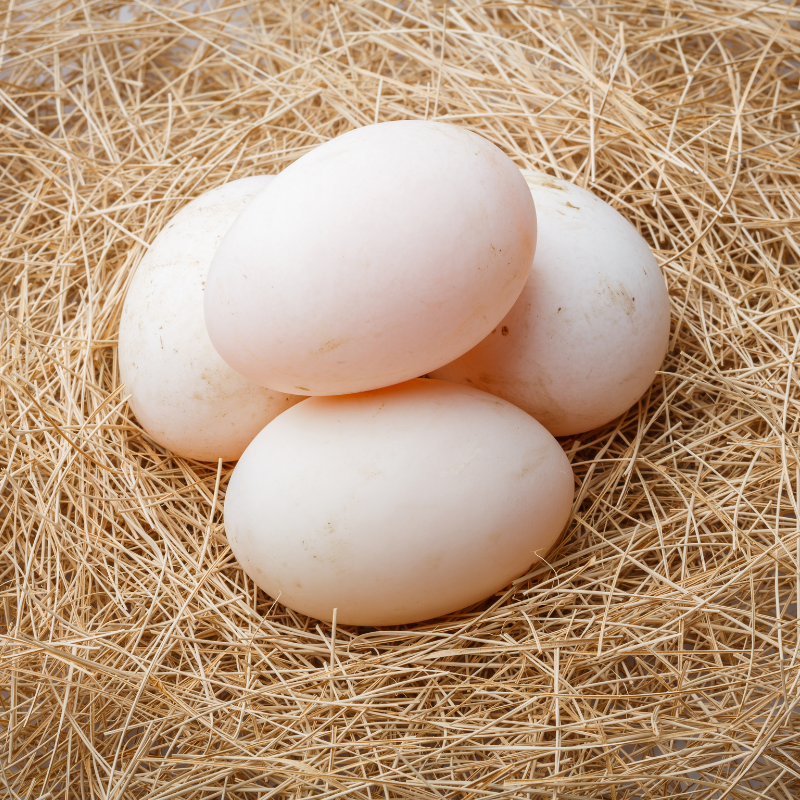


💡 Duck eggs are a premium culinary ingredient known for their superior richness, larger size, and distinct structural properties, making them a favorite in both traditional cooking and professional baking.
1. Characteristics and Flavor Profile
Rich and Creamy Yolks: Duck eggs have a significantly larger yolk-to-white ratio compared to chicken eggs. The higher fat content results in a much richer, creamier flavor.
Vibrant Pigmentation: The yolks are naturally a deep orange hue, providing a visually appealing golden color to pastas, doughs, and desserts.
Distinctive Texture: The egg whites (albumen) contain more protein and less water, which leads to a firmer, "snappier" texture once cooked.
2. Culinary Applications
Baking and Pastries: Due to the high fat and protein content, duck eggs make baked goods fluffier and richer. They are the primary choice for traditional Thai desserts like Sangkhaya (custard).
Preservation: Their thick shells make them the ideal candidate for preserving, such as in Salted Eggs or Century Eggs, as they can withstand the curing process better than chicken eggs.
Frying and Boiling: When fried, duck eggs produce an exceptionally crispy, bubbly edge while maintaining a thick, luxurious yolk that stays runny even when the whites are fully set.
3. Key Culinary Tips
Flavor Balancing: Duck eggs can have a slightly "gaminer" or stronger scent. Using aromatic ingredients like vanilla, citrus, or spices can help balance the profile.
Whipping Properties: While the whites are higher in protein, they can be harder to whip into a foam than chicken eggs. It is recommended to use them at room temperature to achieve better aeration.
The Blend Method: Many chefs use a blend of duck and chicken eggs to combine the richness and color of the duck yolk with the lightness of the chicken egg white.